
Protected PCI
What is Protected PCI?
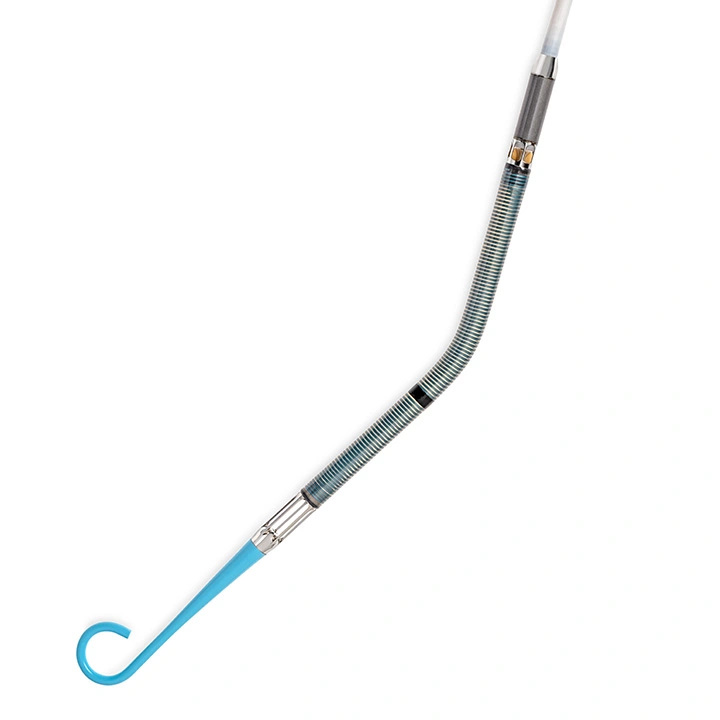
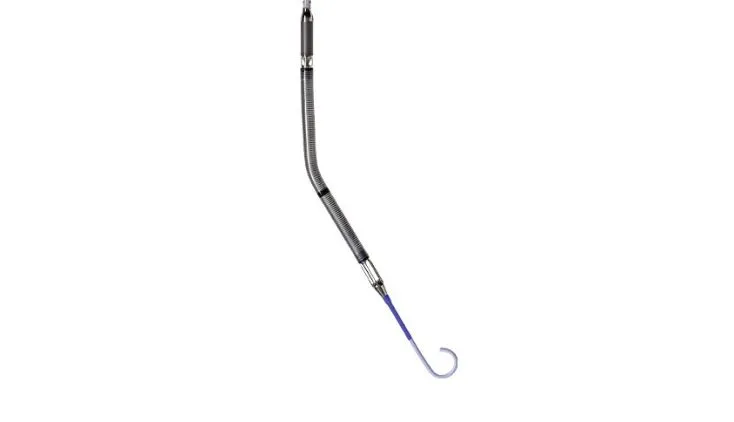
A protected percutaneous coronary intervention (PCI) is a minimally invasive cardiac procedure supported with an ImpellaTM heart pump.
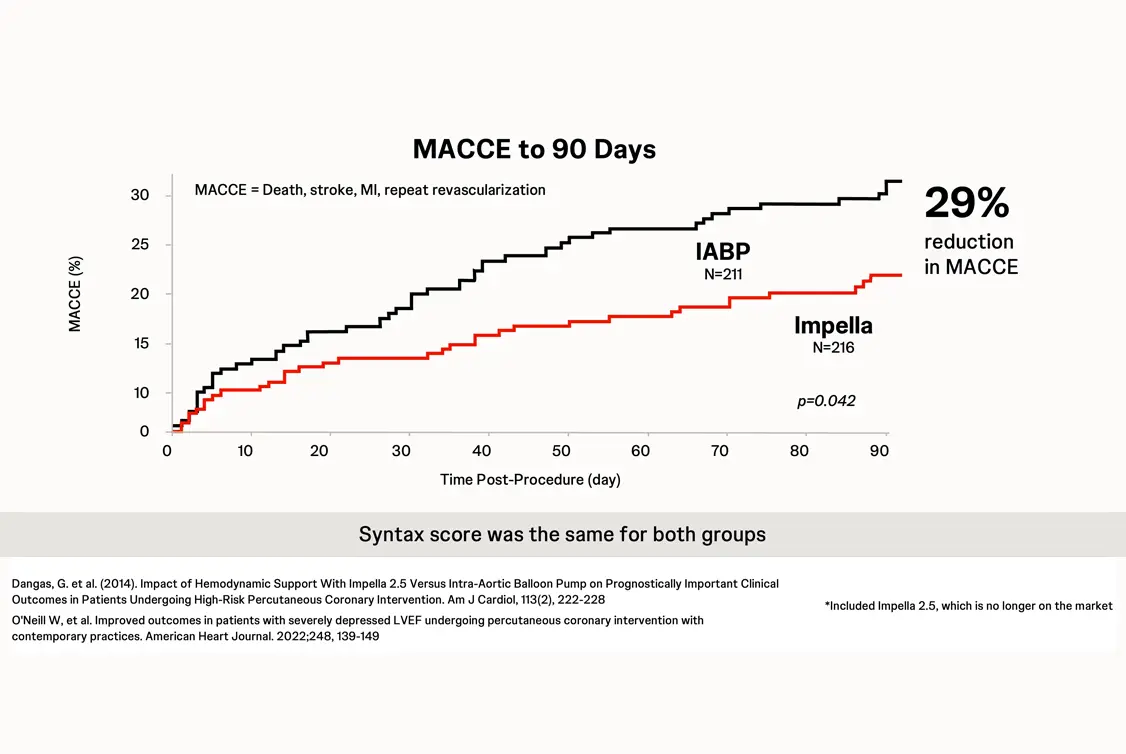
Impella support helps maintain hemodynamic stability and provides left ventricular unloading during the procedure, which may allow for a more complete revascularization in a single session, reducing long-term incidences of major adverse cardiac and cerebrovascular events (MACCE) and improving quality of life.1,2


Impella is safe and effective for high-risk PCI
Impella is the only FDA-approved, non-surgical heart pump that has been determined to be safe and effective to assist the pumping function of the heart during stent placement and ensure blood flow is maintained to critical organs.
During a protected PCI, the Impella heart pump is placed temporarily in the heart to assist the pumping function while the physician performs the necessary treatment (angioplasty, stent placement, etc.).
Interested in learning more? Take a course to learn best practices with Impella

Clinical evidence
- Extensive data, including randomized controlled trial data and FDA-reviewed studies, support Impella safety and efficacy2,3,4
- Impella CP™ maintains patient hemodynamics which may allow for more complete revascularization and reduction in major adverse coronary and cerebrovascular events (MACCE)1*
- Impella heart pumps are associated with reduction of kidney injury during high-risk PCI5
- PROTECT III, the most contemporary data, continues to show a reduction in MACCE with Impella4
Real-world evidence studies validate PROTECT II & III outcomes
Derived from Premier and Truveta databases, that reflect large-scale, real-world evidence generated from hundreds of millions of patient records across large U.S. health systems.
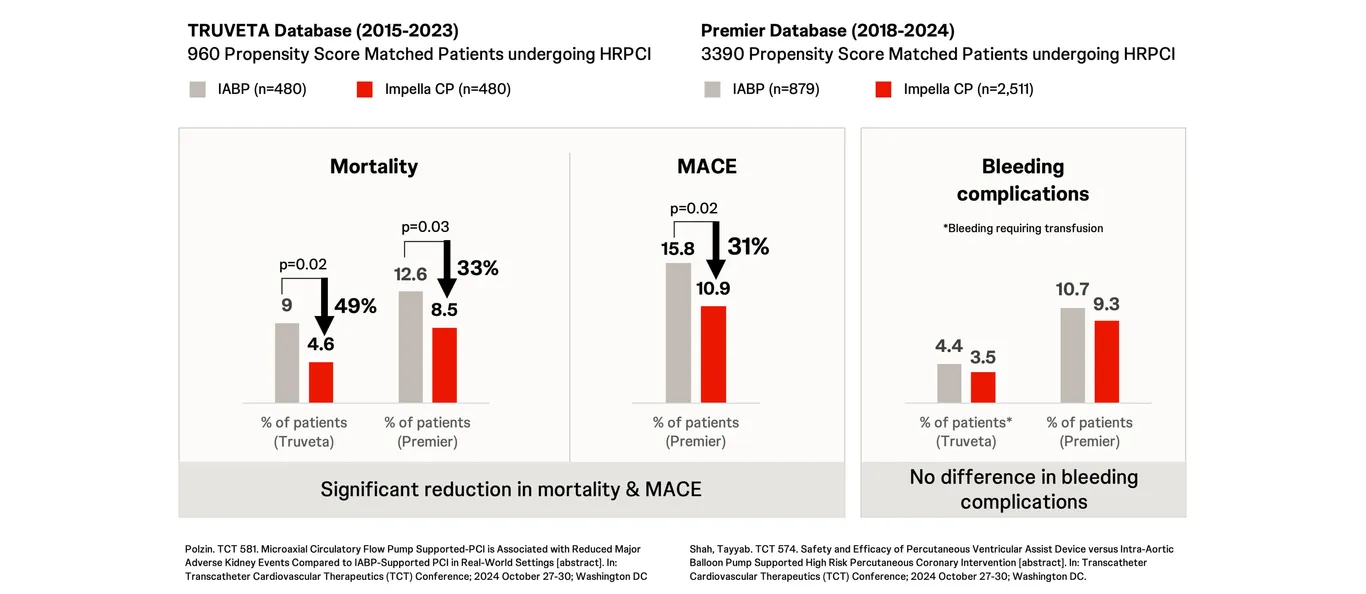
This observational study suggests that PVAD assisted HRPCI is associated with improved post-procedural hemodynamics and 90-day clinical outcomes without a significant increased risk of bleeding compared to IABP support.⁷
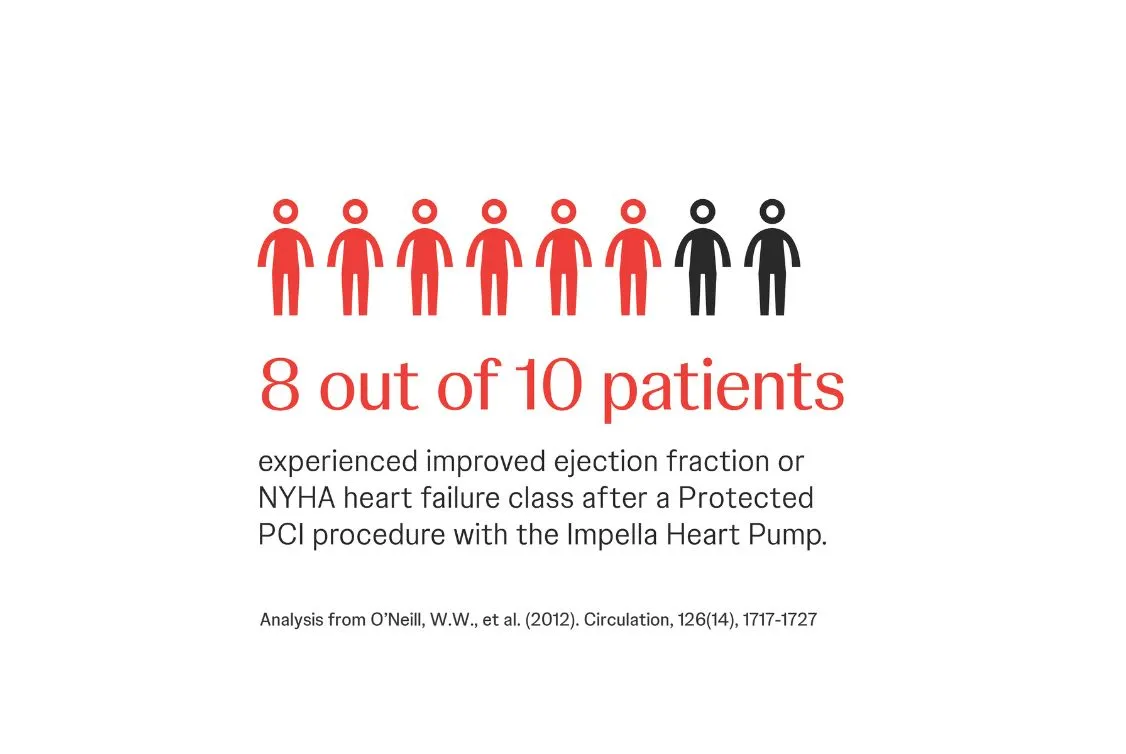
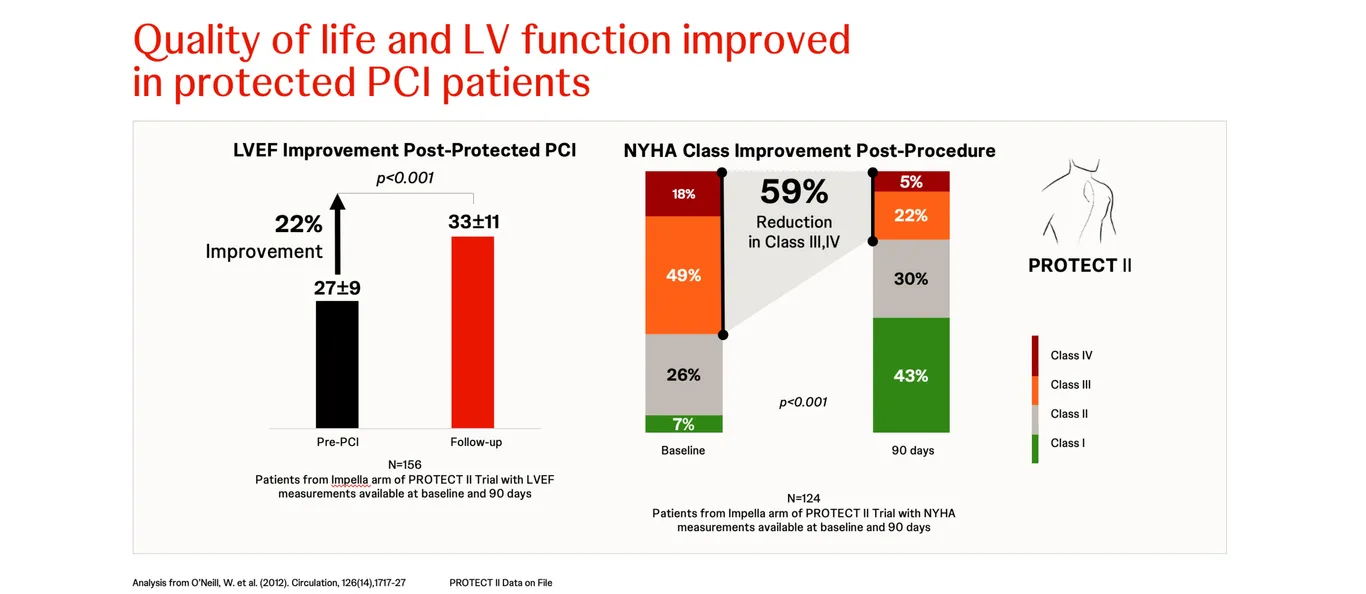
Enhance patients' quality of life by reducing heart failure symptoms2
Physicians who implement best practices and protocols may find significantly improved in-hospital safety in high-risk PCI patients with fewer bleeding complications when using the Impella heart pump.4
Real-world evidence studies validate PROTECT II quality of life improvement
PROTECT II and real world data demonstrates lower LVEF reduction by at least 6%.2,6
Additional benefits of Impella

Fewer days in the hospital
after the procedure compared to traditional therapy such as the intra-aortic balloon pump.8,9

Fewer post-hospitalization adverse events
within 90 days after your PCI procedure including death, heart attack and stroke compared to other support methods.1

Fewer repeat visits
to the hospital for heart-related issues than traditional therapy such as the intra-aortic balloon pump.8
Which of your patients may benefit from protected PCI?
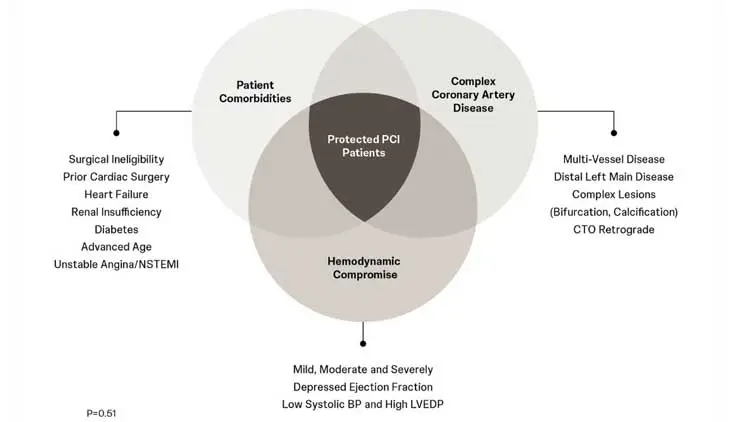
Impella heart pumps provide safe and effective hemodynamic support in elective and urgent high-risk PCI for a broad range of patients with complex coronary artery disease, hemodynamic compromise and comorbidities.
Identifying high-risk PCI patients: Lessons from PROTECT III*
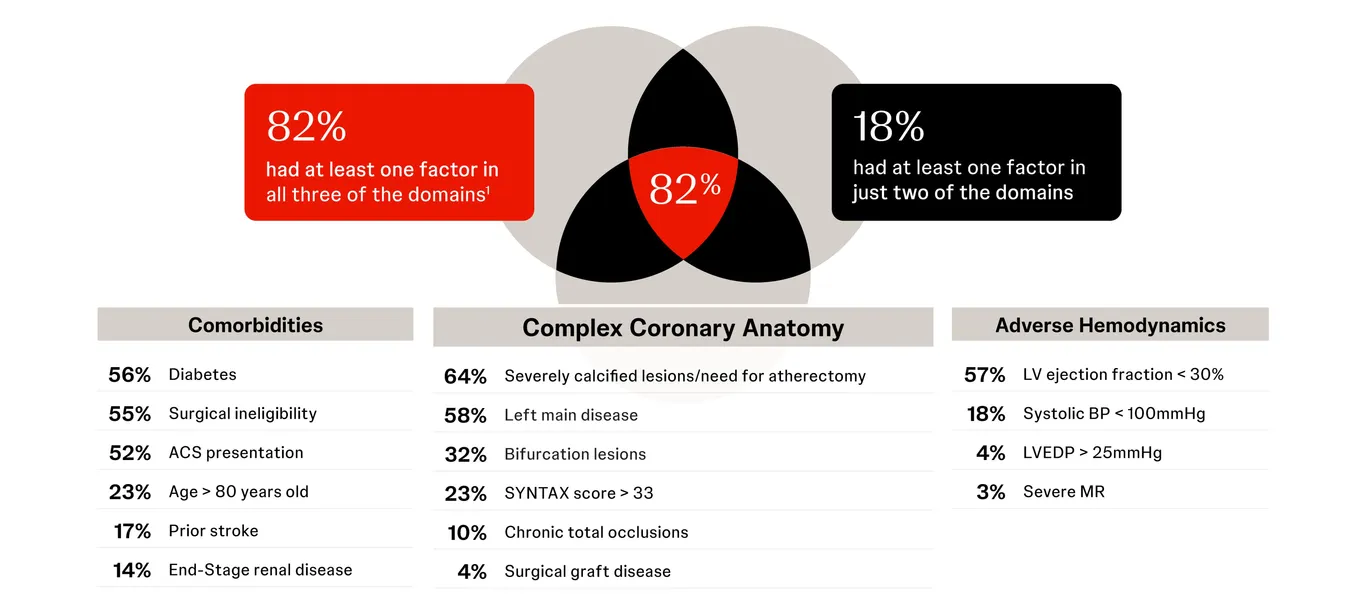
*Included Impella 2.5, which is no longer on the market
What if your HRPCI patient doesn’t have a depressed LVEF?
2018 Expanded U.S. HRPCI Indication for patients with or without depressed EF10
Analysis of 891 HRPCI patients from the global CVAD registry showed favorable MACCE rates with Impella use, regardless of LVEF status, and no significant differences.
Patients without depressed LVEF (>35)¹¹:
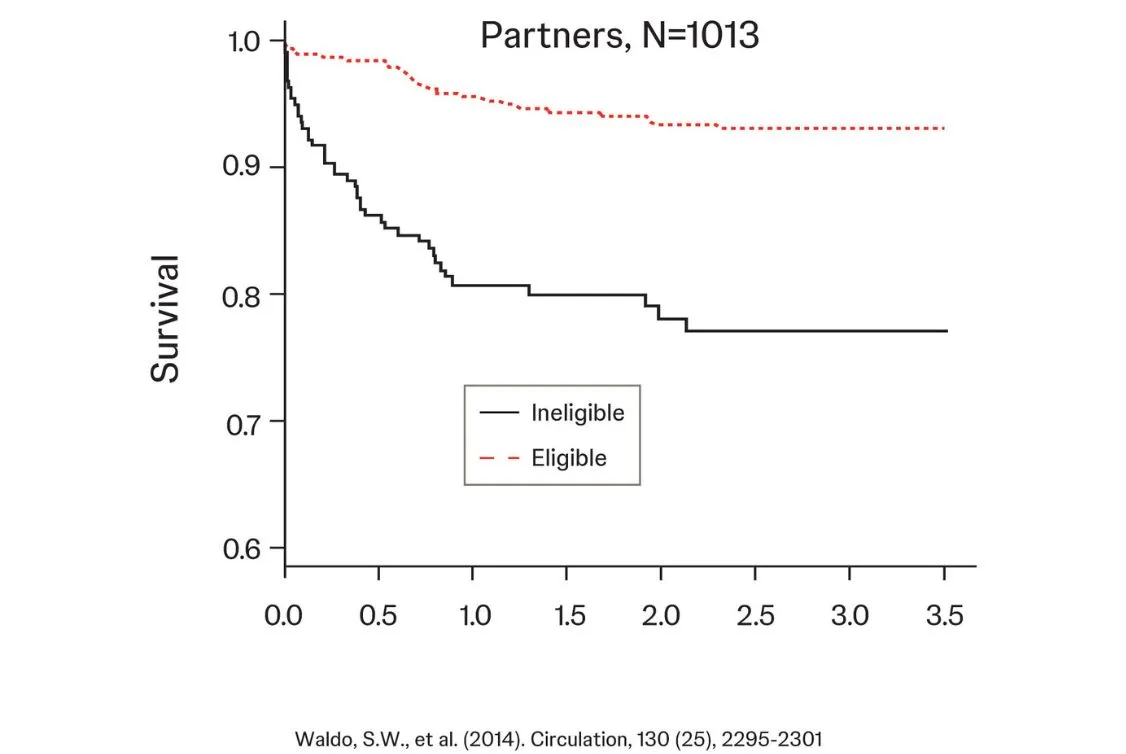
Surgical turndown is common and associated with higher mortality
Protected PCI may be an option when surgery is not. Consider protected PCI for patients who are considered too high-risk and therefore turned down for surgery, and for patients who decline surgical treatment.
Clinical guidelines for protected PCI with Impella heart pumps
2021 ACC/AHA/SCAI guideline for coronary artery revascularization (J Am Coll Cardiol)¹³
• In selected high-risk patients, elective insertion of an appropriate hemodynamic support device as an adjunct to PCI may be reasonable to prevent hemodynamic compromise during PCI: Class IIb
2021 EAPCI/ACVC expert consensus on pVAD (EuroIntervention)¹⁴
• Indication for pVAD-Support in HRPCI: AFP (microaxial flow pump) may be considered in highly selected patients undergoing HRPCI in case of acceptable femoral access (>6mm diameter common femoral artery, no tortuosity);
• IABP and VA ECMO should not be used
2020 SCAI position statement on optimal PCI therapy for complex coronary artery disease (Catheter Cardiovasc Interv)¹⁵
• MCS devices aim to improve the safety and efficacy of PCI in patients at very high risk for revascularization
• Observational studies demonstrate improved procedural cardiovascular hemodynamics and more complete revascularization in the presence of MCS devices despite higher-risk patient profiles
2014 AHA/ACC guideline for the management of patients with Non-ST-Elevation acute coronary syndromes (Circulation)¹⁶
• Revascularization in Heart Failure: Class I
• pVADs: Large amount of ischemic territory/poor LV function
NPS-1305