Healthcare Professional Blog

Education Library

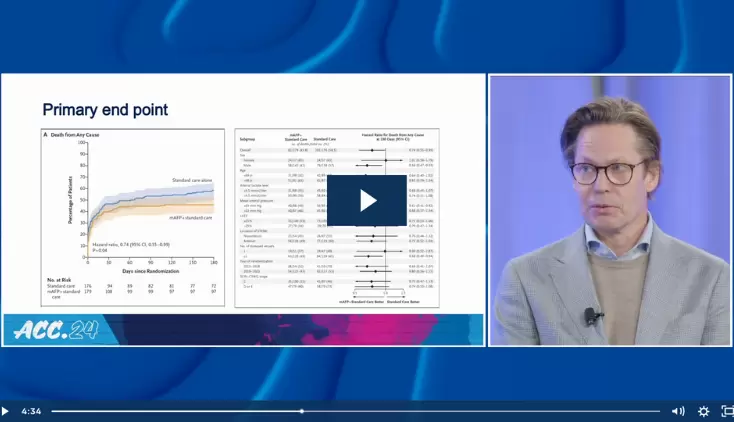
DanGer Shock Discussion with Jacob Møller at TCT 2024

Jacob Møller, MD, and Chuck Simonton, MD, discuss the DanGer Shock RCT and new data presented at TCT 2024.

Sign Up for Latest Updates

Stay up-to-date on the latest clinical data and resources.

All Posts

Filter Results

Condition

Audience

Topic

Type

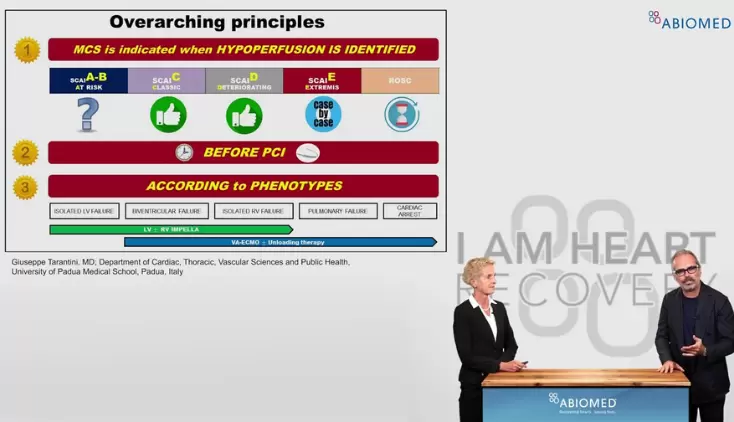
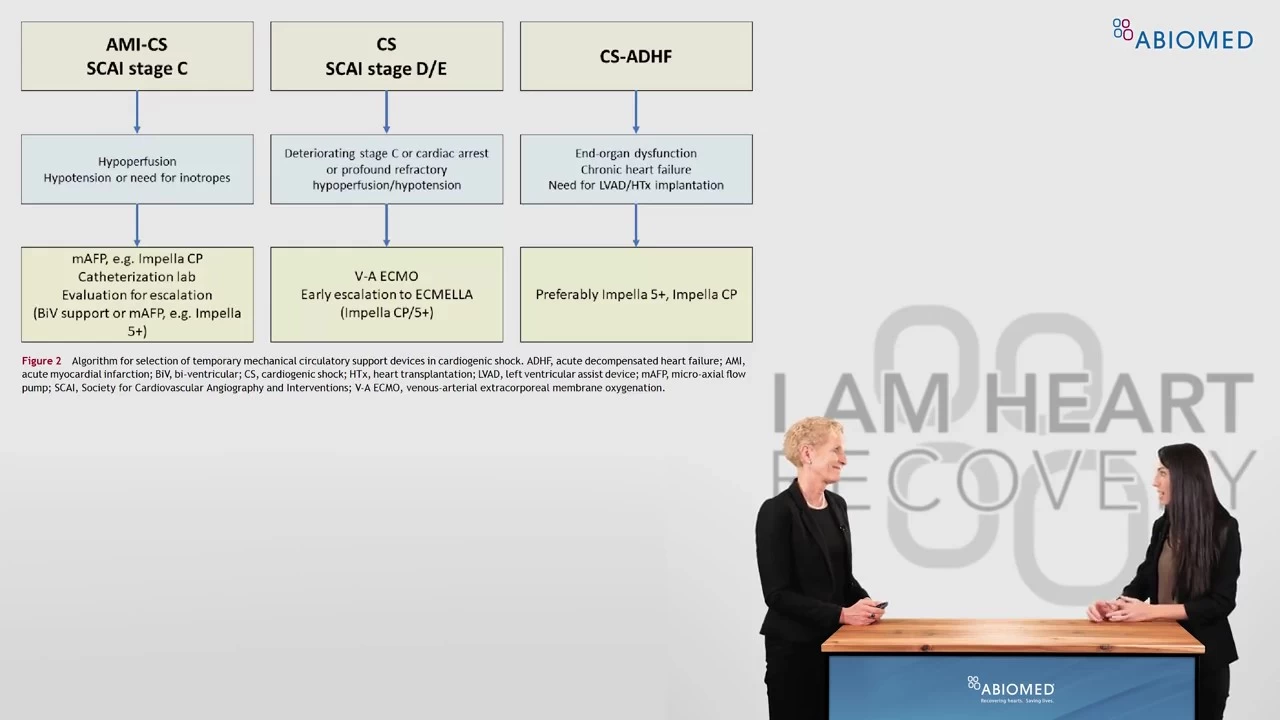
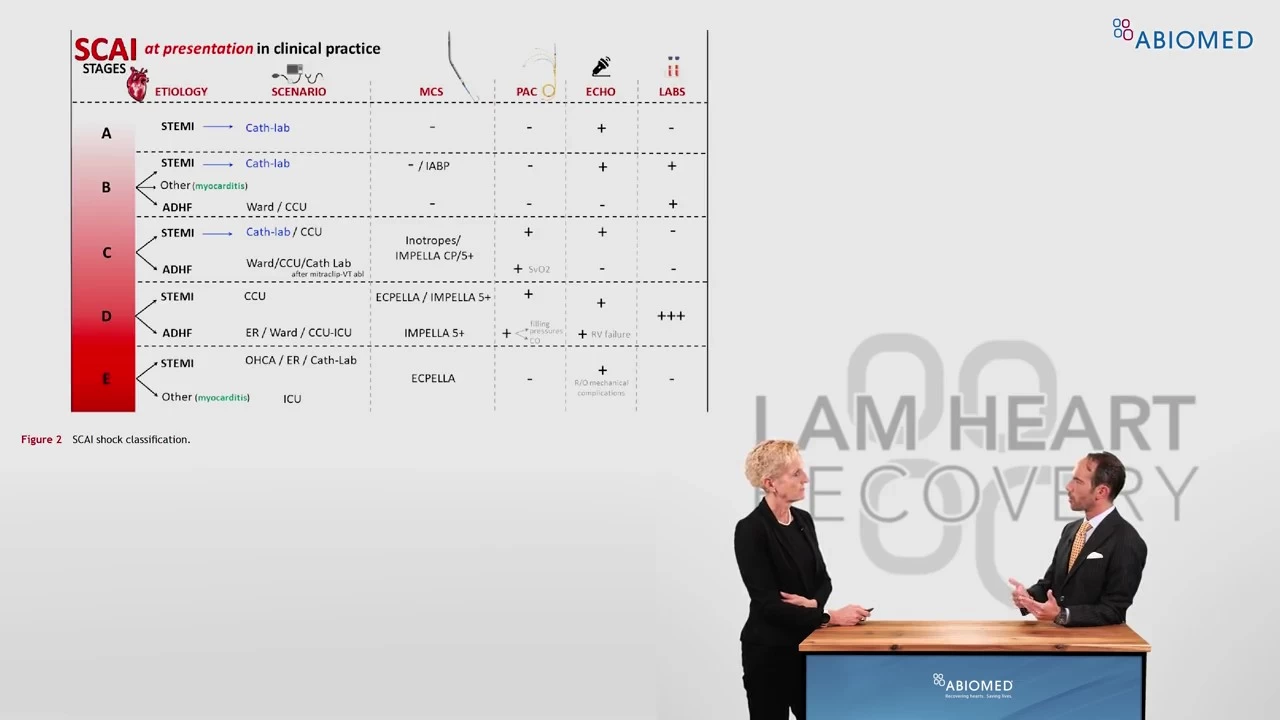
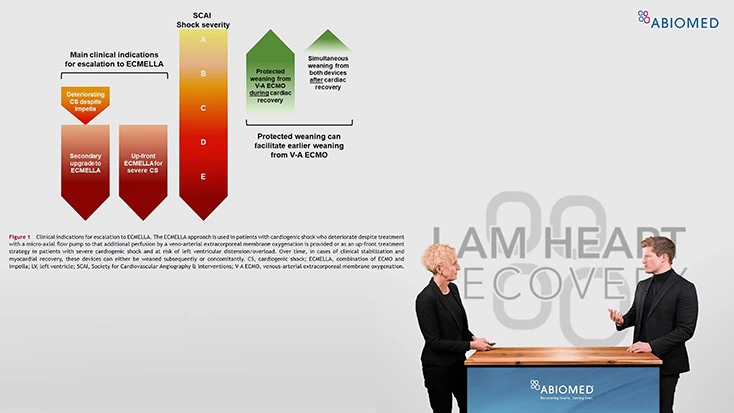
Recognizing Patients as Candidates for Mechanical Circulatory Support Along the Spectrum of Cardiogenic Shock

This paper discusses the latest guidance for identifying patients with cardiogenic shock (CS) who are candidates for mechanical circulatory support (MCS).

York Data Analysis About Complete Revascularization With pVAD vs IABP: York I vs York II - A Comparison

Learn more about the data and differences between part I and part II from the York data analysis.

Acute Coronary Syndromes and High-Risk PCI: State of the Art - Predictive Value of Residual Syntax Score for Clinical Outcomes After High-Risk Percutaneous Coronary Intervention

In the presentation titled “Predictive value of residual SYNTAX score for clinical outcomes after high-risk percutaneous coronary intervention: Evidence from pooled analysis of prospective studies,” Vasileios Panoulas, MD, and colleagues...

ESC 2023: Predictors of 90-day Outcomes from York Analysis

Vasileios Panoulas, MD, discusses a pooled analysis of factors predicting outcomes at 90 days in high-risk PCI patients.

Revascularization Completeness with pVAD vs IABP

In a third-party analysis conducted by the York Health Economics Consortium was evaluated to test the hypothesis that percutaneous coronary intervention (PCI) with Impella® support...

Pre-Procedural Clinical Workup for Protected PCI

Fadi Al-Rashid, MD, discusses his publication on standard pre-procedural clinical workup for Protected PCI.

Optimized Patient Selection for High-risk Protected PCI

Jürgen Leick, MD, discusses his paper on optimizing patient selection in high-risk protected percutaneous coronary intervention.

FAQ: Anticoagulation

This FAQ addresses thrombus formation and anticoagulation for blood-contacting medical devices, such as the Impella® heart pump.

Improving Survival in Cardiogenic Shock — A Propensity Score-Matched Analysis of the Impact of an Institutional Allocation Protocol to Short-Term Mechanical Circulatory Support

In this paper, Sascha Ott and colleagues describe a standard operating procedure (SOP) they developed for determining the temporary mechanical circulatory support (tMCS) strategy for patients in cardiogenic shock (CS).

How to Achieve Better Outcomes in PCCS

Prof. Dr. med. Gregor Warnecke discusses how to achieve better outcomes in patients with postcardiotomy cardiogenic shock (PCCS).

Specific Clinical Vignettes in High-Risk Protected Percutaneous Coronary Intervention

This article presents 3 case vignettes that provide practical insights and reinforce best practices. The authors emphasize that several cardiac and patient-related factors come into play when considering patients for Protected percutaneous coronary intervention (PCI).

Optimal Bail-out and Complication Management Strategies in Protected High-Risk Percutaneous Coronary Intervention With the Impella® Heart Pump*

In this article the authors describe techniques for Impella heart pump removal with or without pre-closure and discuss how to prevent and manage complications associated with large-bore femoral access.

Handling High-Risk Patients in the Catheterization Laboratory

This article describes how the interventional cardiology team handles high-risk patients in the cath lab, from procedural preparation and planning through procedural monitoring, as well as weaning strategies and access site management.

Defining the Optimal Revascularization Strategy During Protected High-Risk Procedures With Impella® Heart Pumps1

This article explores optimal revascularization strategies for patients undergoing Protected PCI.

What Is Known in Pre-, Peri-, and Post-Procedural Anticoagulation in Micro-Axial Flow Pump Protected Percutaneous Coronary Intervention?

“The precarious balance between bleeding and thrombosis in patients with p-LVAD support is often the primary reason that patients’ outcomes are jeopardized,” write the authors of this article, which discusses anticoagulation strategies and anticoagulant management in the setting of Protected PCI.

Subscribe for Our Healthcare Professional Newsletter

Subscribe for Our Healthcare Professional Newsletter

By subscribing you will receive our HeartRecovery newsletter for healthcare professionals with latest Impella® device news about recordings, interviews, upcoming and past events or clinical evidence.

CAMP PCI™

Professional Education Events

Learn more about upcoming events and courses.

Downloads

Discover further resources like brochures, data sheets and indications for use.

NPS-4998

This information is intended for use by customers, patients, and healthcare professionals in [region] only. We recognize that the Internet is a global communications medium; however, laws, regulatory requirements, and product information for medical products can vary from country to country. The product information included here may not be appropriate for use outside [region], and the information from other sites you visit may not be appropriate for use in [region].