Webinar: From Triage to Treatment: Improving Early Shock Identification in the ED

Target audience: Emergency Department physicians, advanced practice providers, and other frontline healthcare professionals involved in the assessment and management of critically ill patients Emergency Department​ Nursing leaders and staff, including Chest Pain Coordinators, Nurse Educators, and bedside ED nurses Hospital administrators and quality improvement leaders responsible for Emergency Department performance, patient outcomes, and care pathway optimization ​ Members of multidisciplinary shock teams, including cardiology, critical care, cardiac surgery, and emergency medicine stakeholders involved in the identification and management of cardiogenic shock

Start

Monday Dec. 7
5 p.m. EST

End

Monday Dec. 7
6 p.m. EST

Location

Virtual

0
Days
0
Hours
0
Minutes
Speakers
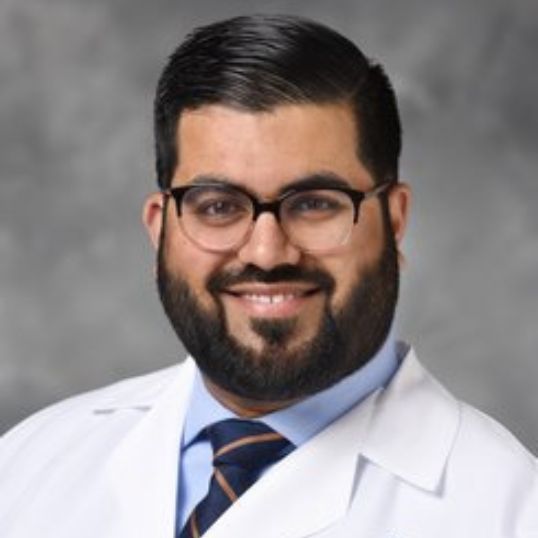
Aasim Afzal, M.D., MBA, FACC, FHFSA

Aasim Afzal, M.D., MBA, FACC, FHFSA

Baylor Scott and White Heart Hospital Plano
Associate Program Director Advanced Heart Failure; MCS and Transplant Medical Director Mechanical Circulatory Support
Babar Basir, DO, FACC, FSCAI

Babar Basir, DO, FACC, FSCAI

Henry Ford Hospital
Medical Director, Acute Mechanical Circulatory Support & Associate Program Director, Interventional Cardiology Fellowship at Henry Ford Hospital
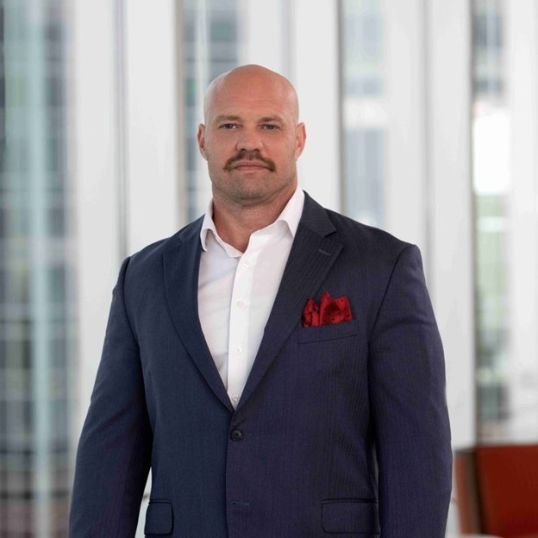
Gordon Wesley, DBA, FACHE

Gordon Wesley, DBA, FACHE

UChicago Medicine AdventHealth
SVP, Chief Strategy & Clinical Integration Office
Learning Objectives

This initiative will deliver recorded panel discussion led by Andy Shaw, focused on best practices for emergency department patient pathways to support earlier recognition and differentiation of cardiogenic shock.​

By the end of the webinar, learners will be able to differentiate shock states using clinical assessment, point-of-care ultrasound (POCUS), laboratory findings, and early hemodynamic evaluation to enable timely and appropriate treatment.​

As with any medical treatment, individual results may vary. These risks need to be discussed with your doctor and recovery takes time. The success of this procedure depends on many factors, including your physical condition and your body’s ability to tolerate the procedure. Use care in the selection of your doctors and hospital, based on their skill and experience.


As Abiomed is committed to following the AdvaMed® Code, spouses, significant others or other guests of healthcare  professionals may not attend this event. Due to state laws, Abiomed cannot provide meals to Vermont HCPs in the context of product promotions. In accordance with the federal Open Payments Program and state transparency reporting laws, transfers of value provided to you at this event may be disclosed to the government. If you do not wish this information to be disclosed to the government, you should abstain from attending. Abiomed respects health  care industry codes and local laws regarding meal restrictions for health care professionals. If you are subject to any such restrictions, we request that you please refrain from accepting our hospitality. The third-party trademarks used herein are the properties of their respective owners.


Please refer to our reimbursement FAQ page if you have any questions regarding reimbursement.

NPS-5913

This information is intended for use by customers, patients, and healthcare professionals in [region] only. We recognize that the Internet is a global communications medium; however, laws, regulatory requirements, and product information for medical products can vary from country to country. The product information included here may not be appropriate for use outside [region], and the information from other sites you visit may not be appropriate for use in [region].